

Loading...

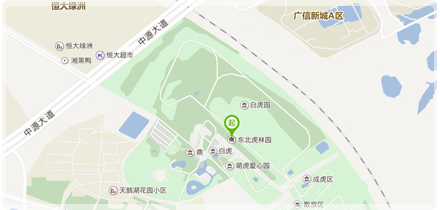
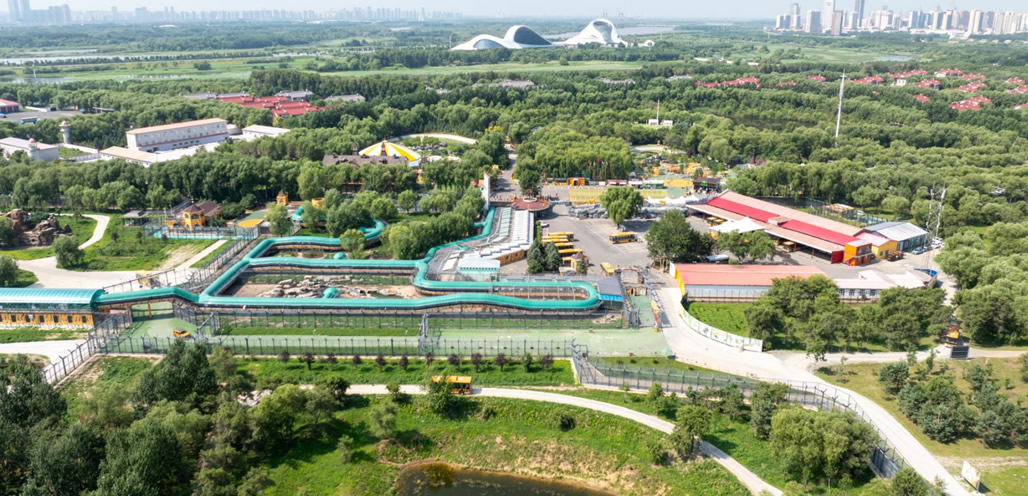
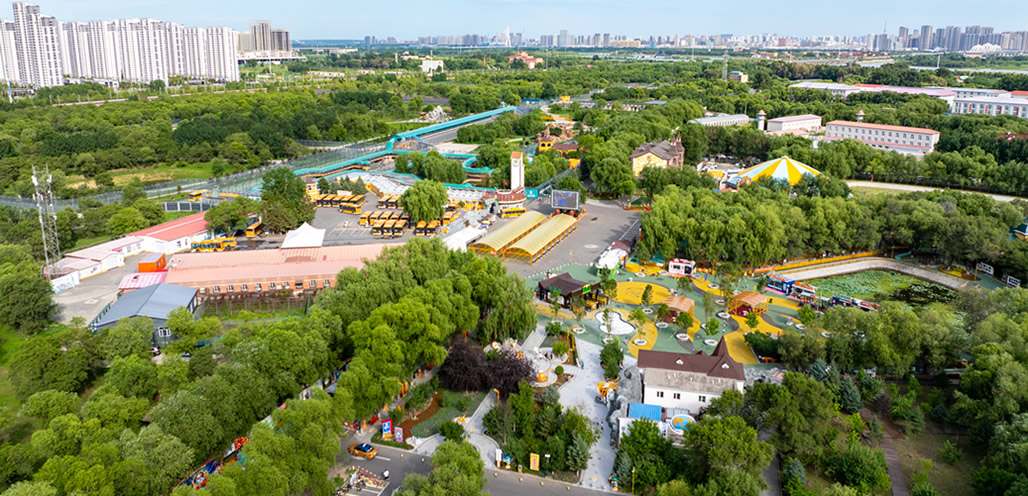
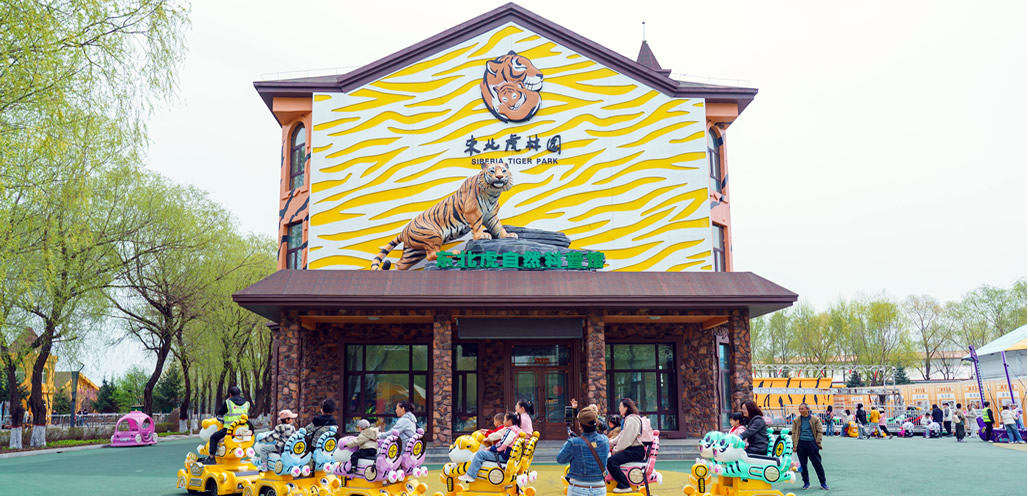
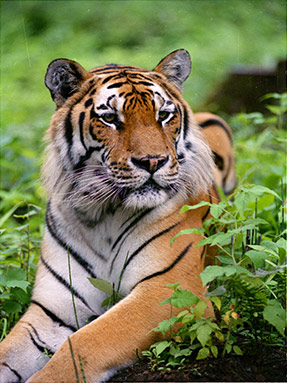
Heilongjiang Siberian Tiger Park, located on the beautiful north bank of the Songhua River, covers an area of 800,000 square meters. This national AAAA tourist attraction integrates Siberian tiger breeding and rearing, scientific research and conservation, science education, and tourism. As a key breeding base for Siberian tigers and a breeding stock reserve for the Northeast China Tiger and Leopard National Park, it achieves a perfect integration of tiger conservation and eco-tourism.
I. Siberian Tiger Breeding, Rearing, and Scientific Conservation
Our park has achieved remarkable success in the captive breeding, rearing, and scientific research of Siberian tigers. We have developed a scientifically comprehensive method for breeding Siberian tigers and possess a highly skilled technical team, reaching internationally leading standards. These efforts have garnered widespread attention and recognition from the International Union for Conservation of Nature (IUCN), member states of the Convention on International Trade in Endangered Species of Wild Fauna and Flora (CITES), and various sectors of society. We have established a core population gene bank for Siberian tigers, maintaining nearly one hundred tigers as a national breeding stock, and undertake important national tasks such as supplying breeding tigers to other institutions. Notably, our work on the rewilding training of Siberian tigers in a semi-free range model has laid a solid foundation of breeding stock for the future rewilding and release of Siberian tigers in China.
II. Science Education and Public Awareness
Leveraging its unique Siberian tiger resources and natural tourism platform, Heilongjiang Siberian Tiger Park is continuously advancing nature education. We aim to educate the public on nature conservation and the importance of protecting endangered species. The park has been designated as a National Science Education Base and a Green National Youth Education Camp. To date, our educational programs have reached over ten million people across China and around the world. We actively organize special themed activities, such as the "Caring for Siberian Tigers, Protecting Wildlife, Loving Nature, and Maintaining Ecological Balance" nature education initiative. This program helps cultivate an awareness in children of the importance of caring for Siberian tigers and protecting wild animals. It also broadly promotes to people from all walks of life the positive concepts of loving nature, maintaining ecological balance, and contributing to the building of an ecological civilization.
-

800000㎡
Covering an area of nearly 800,000 square meters.
-

-

1.5million
Average annual visitors exceeded 1.5 million from 2024 to 2025.
III. Tourism
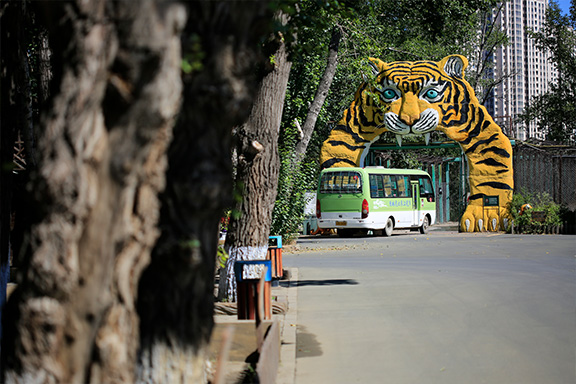
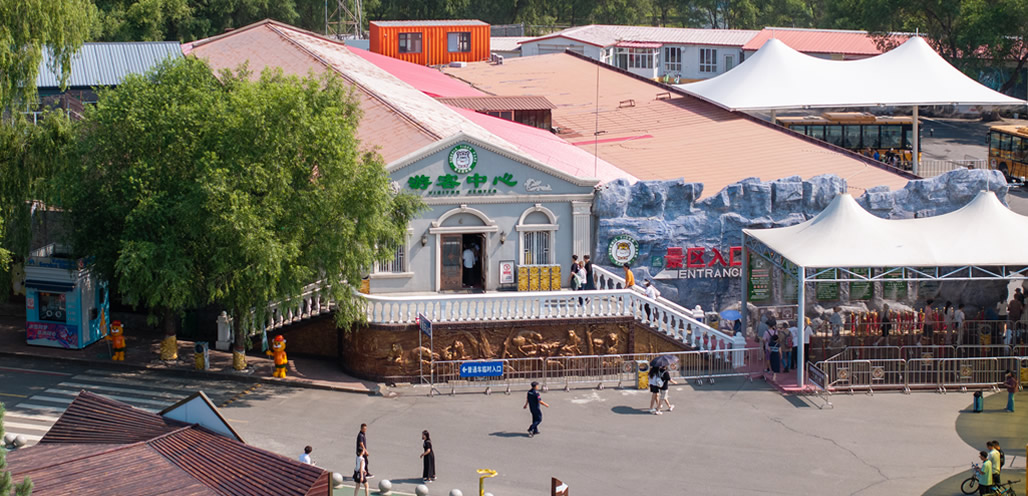
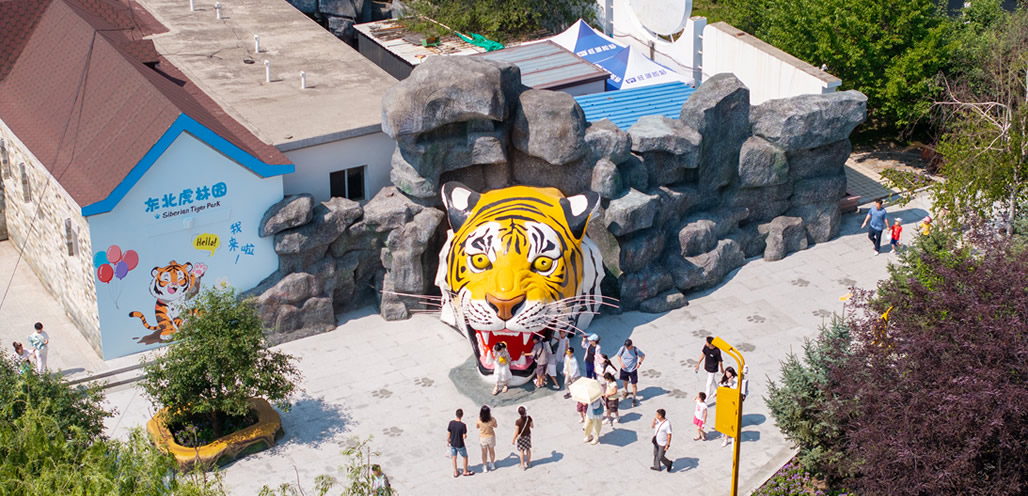
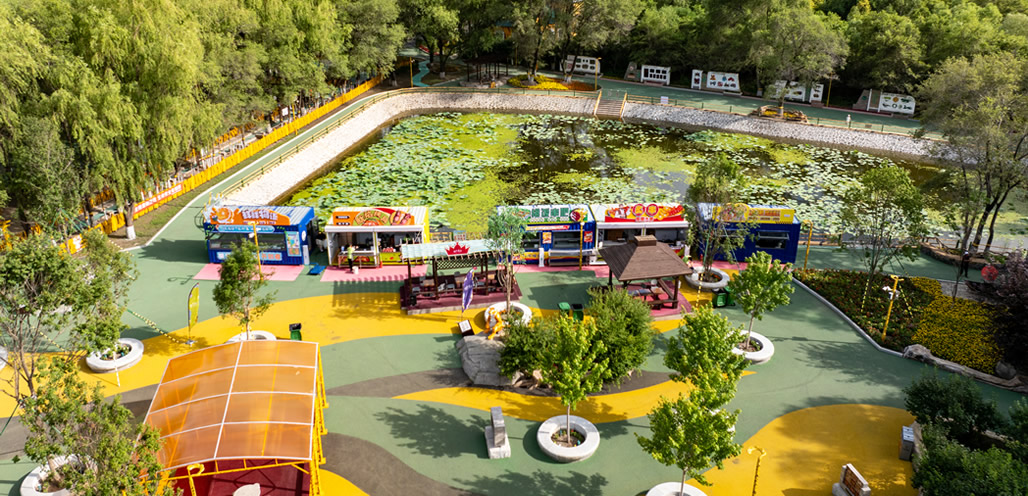
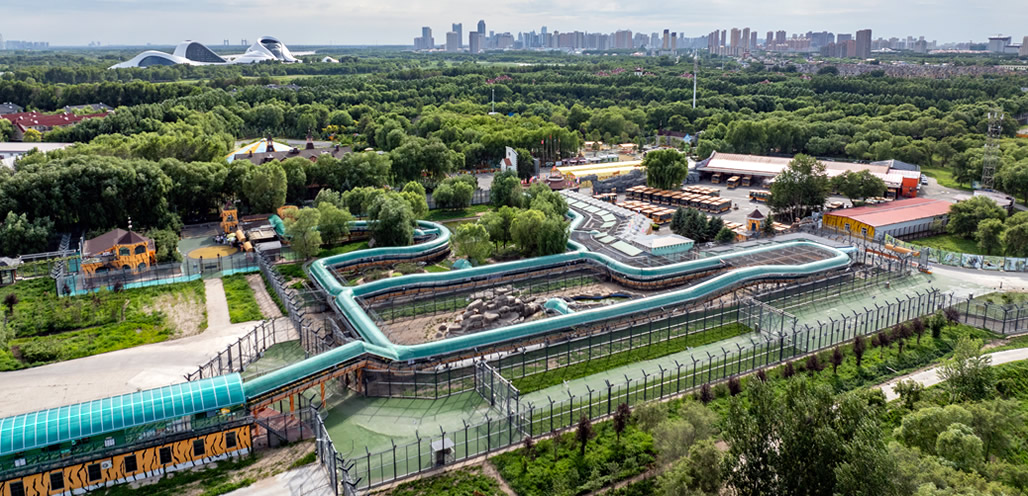
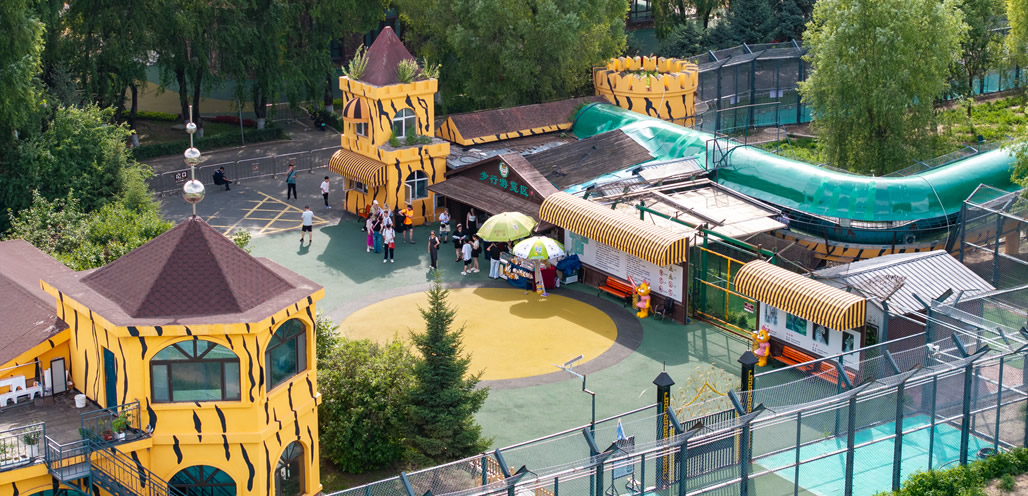
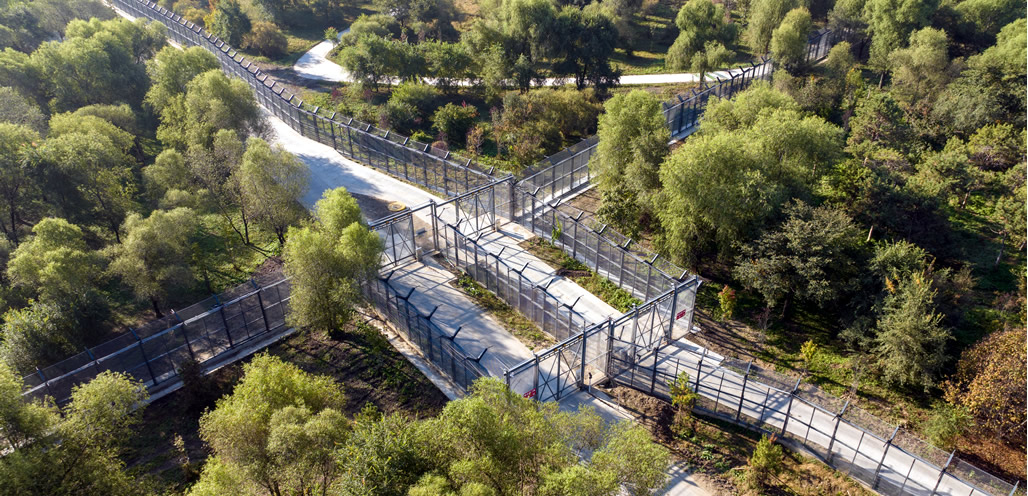
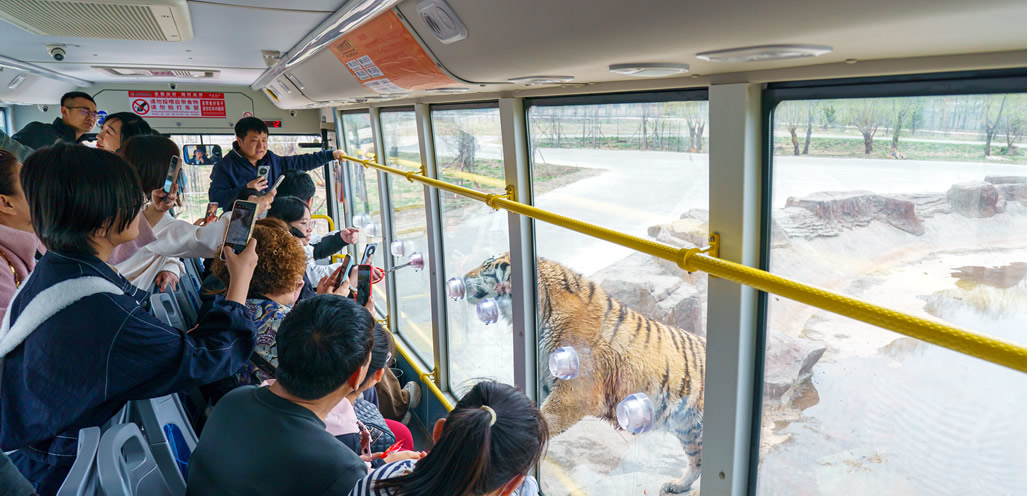
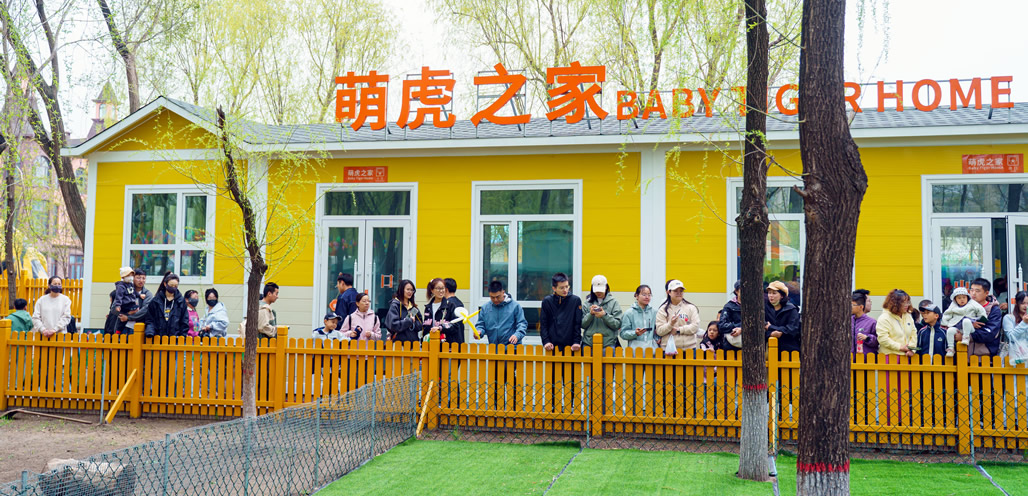
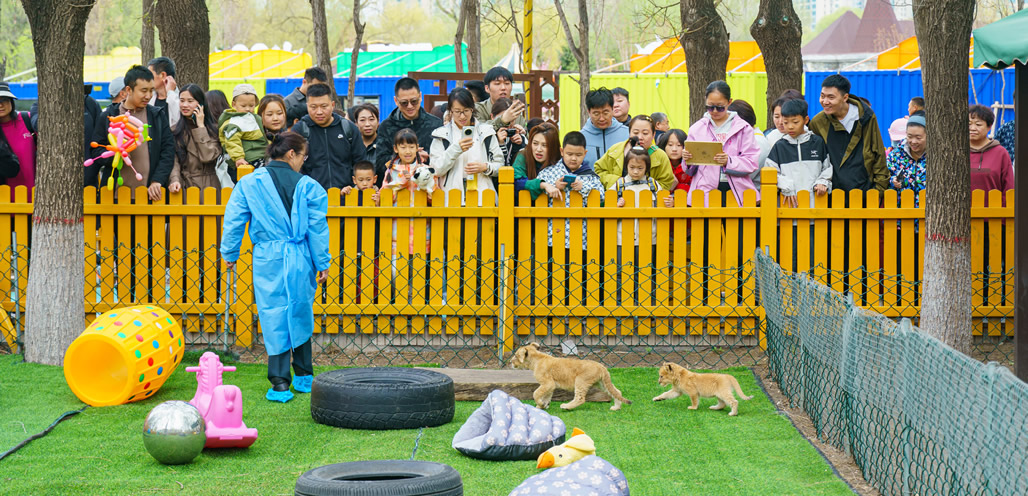
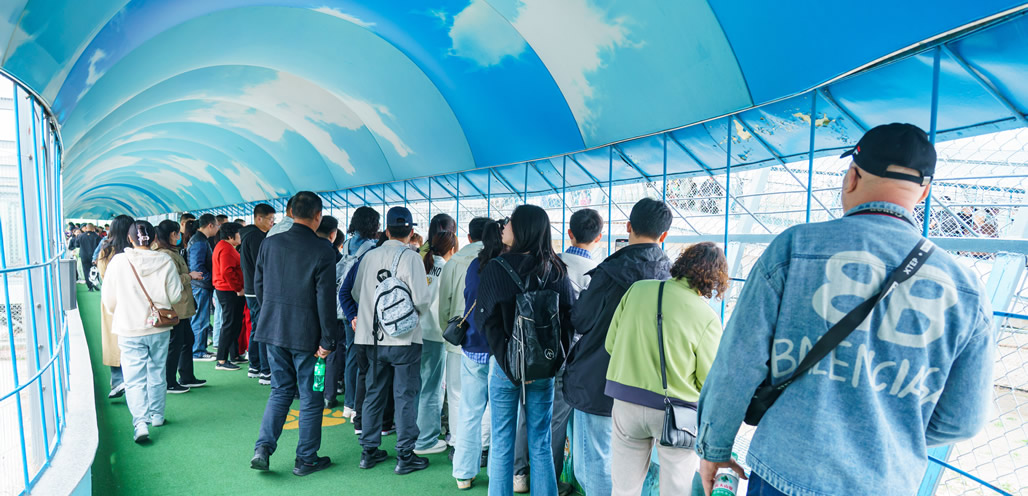
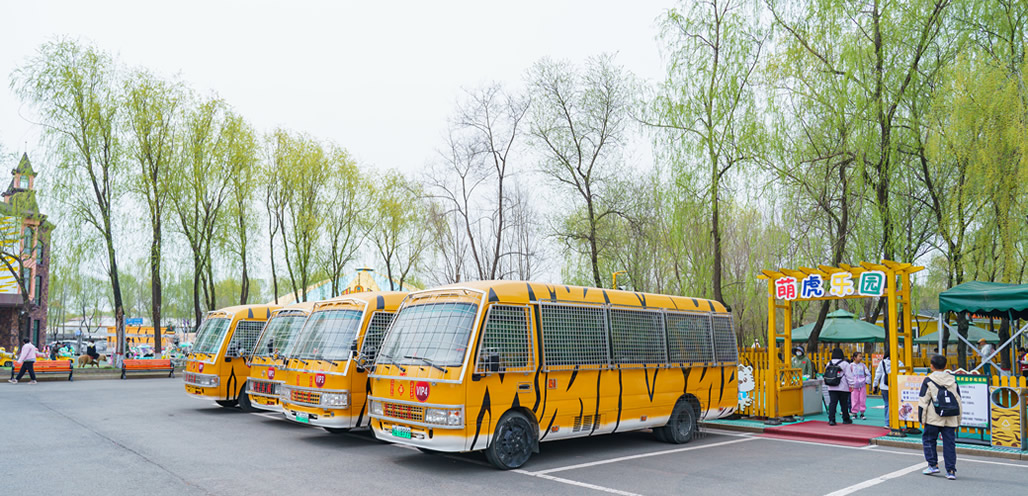
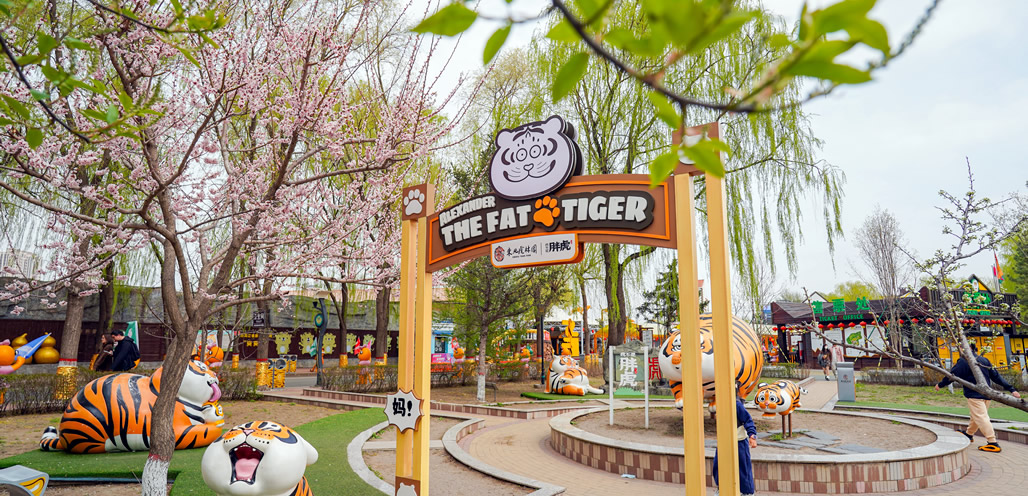
Since opening to the public in 1996, the park has attracted numerous domestic and international visitors with its natural wild charm and captivating appeal, receiving an average of nearly one million tourists annually. The park currently features several visitor areas, including the Free-Range Enclosure, Walking Area, Tiger Observation Platform, Breeding Science Education Experience Hall, Fengcai Square, and the Cute Tiger Paradise. In addition to purebred Siberian tigers, visitors can also see other rare feline species such as white tigers, white lions, ligers, leopards, caracals, servals, and leopard cats. The Free-Range Enclosure requires a vehicle tour, while other areas can be explored on foot. This combination of driving and walking allows visitors to seek out tigers in both motion and stillness, appreciate the majestic presence of Siberian tigers, and experience the harmonious beauty between tigers and nature, as well as between humans and nature.
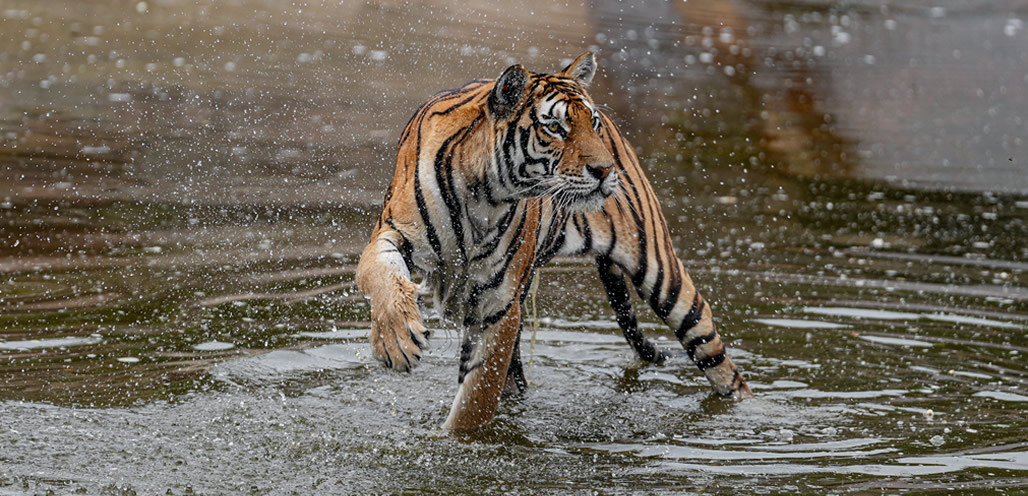
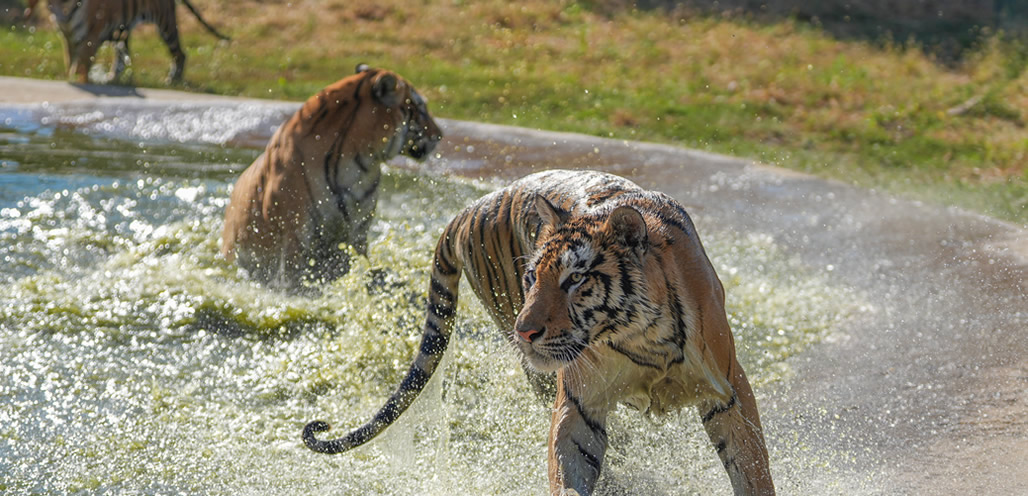
The park boasts a beautiful ecological environment rich in natural features. The scenery varies dramatically and beautifully across the four seasons, with summer and winter offering particularly captivating views. In summer, the park teems with life—lush greenery, fragrant flowers, birdsong, and rippling blue waters. The agile figures of Siberian tigers can be seen everywhere under the shade of trees, in the grass, and within ponds. In winter, the landscape is covered in silver snow, and the vibrantly colored Siberian tigers stand out strikingly against the white backdrop, appearing even more majestic and powerful. Located in a temperate continental monsoon climate zone, the park is filled with the scent of nature, covered with numerous trees and shrubs, making it an ideal habitat for Siberian tigers to thrive and reproduce. Visiting here also sparks people's interest in getting close to nature, understanding it, and loving it. Let us enter Heilongjiang Siberian Tiger Park, step into the paradise where Siberian tigers live, learn about these beautiful, fascinating, and majestic felines, feel the awe-inspiring majesty and dominance of the king of beasts, and witness the thrilling excitement and boundless delight of the tigers' rewilding training.
The Siberian tiger is a rare and endangered wild animal in the world, a Class I nationally protected species in China, and a flagship species for biodiversity conservation. Caring for Siberian tigers, promoting the harmonious coexistence of humans and nature, and passing this legacy down through generations is our way of preserving this precious natural heritage for future generations.